
Prof.Dr.Hamdi Temel Naylon Aşkı Öldürür 2

You may also like


Bir Avrupa yolculuğunu düşündüğümüzde aklımıza çoğu zaman trenler, şehirler, farklı kültürler ve güzel anılar gelir. Oysa başarılı bir Avrupa hareketliliğinin arkasında ayrıntılı bir hazırlık, planlama, bütçe yönetimi ve krizlere karşı hazırlıklı olma süreci vardır.
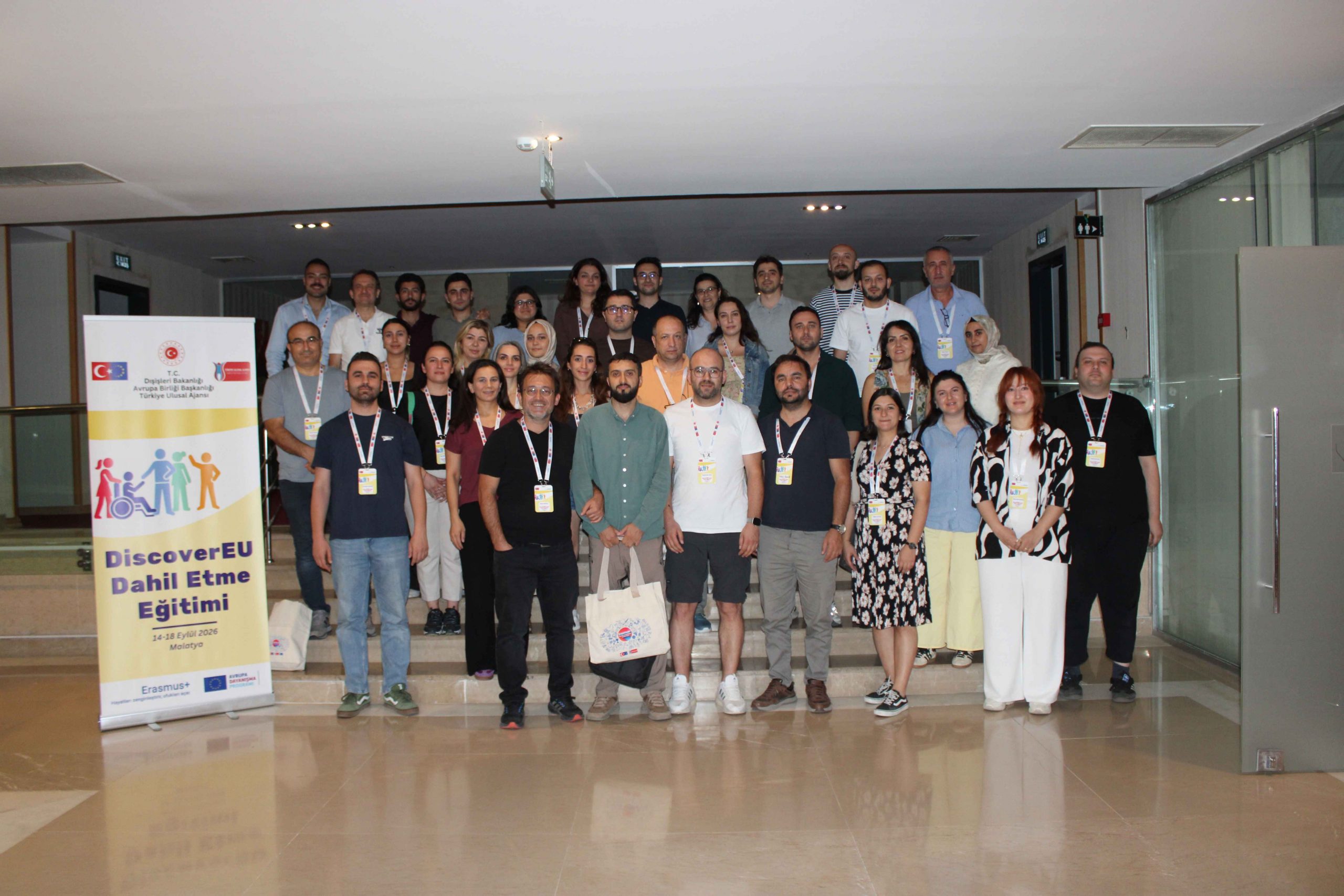
Bunu, 14–18 Eylül 2026 tarihleri arasında Malatya’da gerçekleştirilen “DiscoverEU Dahil Etme Eğitim”i ile bir kez daha yakından görme fırsatı bulduk. Farklı üniversitelerden, kamu kurumlarından ve sivil toplum kuruluşlarından bu alanda proje yürüten katılımcıların bir araya geldiği eğitim oldukça yoğun ve uygulamalı geçti.
Eğitimde faaliyet tasarımından yöntem seçimine, öğrenme çıktılarından katılımcı seçimine, bütçelemeden ülke ve rota belirlemeye kadar DiscoverEU projelerinin bütün aşamaları ayrıntılı biçimde ele alındı.
Kâğıt üzerindeki plan, gerçek hayatta ne kadar uygulanabilir?
Eğitimin en dikkat çekici bölümlerinden biri, yapılan SWOT analizleri ve grup çalışmaları oldu. Projelerin yalnızca güçlü yönlerini değil, karşılaşılabilecek riskleri ve zayıf noktaları da önceden düşünmenin önemi ortaya konuldu.
İnternet erişiminin olmaması, ulaşım veya konaklama sorunları, pasaport ya da eşya kaybı, sağlık problemleri, kültür şoku, yalnızlık hissi ve beklenmeyen harcamalar gibi birçok ihtimal üzerinde duruldu.
Çünkü Avrupa’da seyahat eden bir genç için küçük görünen bir problem, farklı bir ülkede önemli bir krize dönüşebilir. Bu nedenle kriz ortaya çıktığında ne yapılacağını düşünmek kadar, krizi ortaya çıkmadan öngörmek de büyük önem taşıyor.
Doğru katılımcı, doğru rota, doğru bütçe
DiscoverEU Dahil Etme projelerinde katılımcı seçiminin yalnızca isim belirlemek olmadığı da eğitimde özellikle vurgulandı. Katılımcıların ihtiyaçları, beklentileri, iletişim becerileri ve proje hedefleriyle uyumları dikkate alınmalı.
Benzer şekilde Avrupa’da gidilecek ülkelerin belirlenmesi de sadece turistik tercihlere bırakılmamalı. Ulaşım, maliyet, güvenlik, konaklama, kültürel özellikler ve öğrenme hedefleri birlikte değerlendirilmelidir.
Bütçe yönetimi ise başlı başına önemli bir beceri. Ulaşım, konaklama, yemek ve kişisel harcamaların yanı sıra beklenmeyen giderlerin de hesaba katılması gerekiyor. Gençlerin kendi kaynaklarını doğru yönetebilmesi, hareketliliğin önemli kazanımlarından biri.
Seyahat değil, öğrenme deneyimi
DiscoverEU’nun asıl değerinin yalnızca farklı ülkeleri görmek olmadığını eğitim boyunca daha iyi anladık.
Gençlerin farklı kültürlerle iletişim kurması, çevre konusunda farkındalık kazanması, dijital araçları bilinçli kullanması, bütçesini yönetmesi, karşılaştığı sorunlara çözüm üretmesi ve gerektiğinde yardım isteyebilmesi de bu deneyimin önemli parçaları.
Bu nedenle faaliyet ile öğrenme çıktıları birbirinden kopuk olmamalı. Proje sonunda gençte neyin değiştiği; gözlemler, grup çalışmaları ve katılımcı geri bildirimleriyle değerlendirilebilmeli.
Kısacası, başarılı bir DiscoverEU projesi Avrupa’ya gitmeden önce başlıyor. Katılımcı seçiminden rota planlamasına, bütçeden kriz yönetimine kadar yapılan her hazırlık, gençlerin yaşayacağı deneyimin niteliğini doğrudan etkiliyor.
Malatya’dan geriye kalan
Malatya’daki bu eğitim benim için bir proje hazırlama programından çok daha fazlasıydı. Farklı kurum ve kuruluşlardan gelen proje yürütücülerinin deneyimlerini paylaşması, grup çalışmalarında farklı bakış açılarının ortaya çıkması ve gerçek hayatta karşılaşılabilecek sorunların uygulamalarla ele alınması önemli kazanımlar sağladı.
Bu vesileyle, başta T.C. Dışişleri Bakanlığı Avrupa Birliği Başkanlığı Türkiye Ulusal Ajansı olmak üzere, eğitim sürecinde görev alan değerli uzmanlara özellikle teşekkür etmek istiyorum.
Uzmanların son derece iyi niyetli, paylaşımcı ve yol gösterici bir anlayışla sahip oldukları bilgi ve deneyimleri bizlerle paylaşmaları, sorularımızı ayrıntılı biçimde yanıtlamaları ve uygulamada karşılaşabileceğimiz sorunları en ince ayrıntısına kadar açıklamaları bizleri gerçekten çok iyi aydınlattı.
SWOT analizlerinden uygulamalara, grup çalışmalarından kriz senaryolarına kadar dolu dolu geçen bu eğitim; projelerimizi daha gerçekçi, kapsayıcı, güvenli ve gençler açısından daha anlamlı tasarlamamıza önemli katkılar sundu.
Emeği geçen tüm Ulusal Ajans uzmanlarına gönülden teşekkür ediyorum. Farklı üniversitelerden ve kurumlardan gelen değerli proje yürütücüleri, dernek başkanları ve yetkilileriyle aynı eğitim ortamını paylaşmaktan, birbirimizin deneyimlerinden öğrenmekten ve sizlerle tanışmaktan büyük mutluluk duydum. Bu güzel birlikteliğin yeni projelere, yeni iş birliklerine ve güzel dostluklara vesile olmasını diliyorum. Daha nice başarılı projelerde yeniden bir araya gelmek ve birlikte güzel çalışmalara imza atmak dileğiyle…
You may also like
You may also like
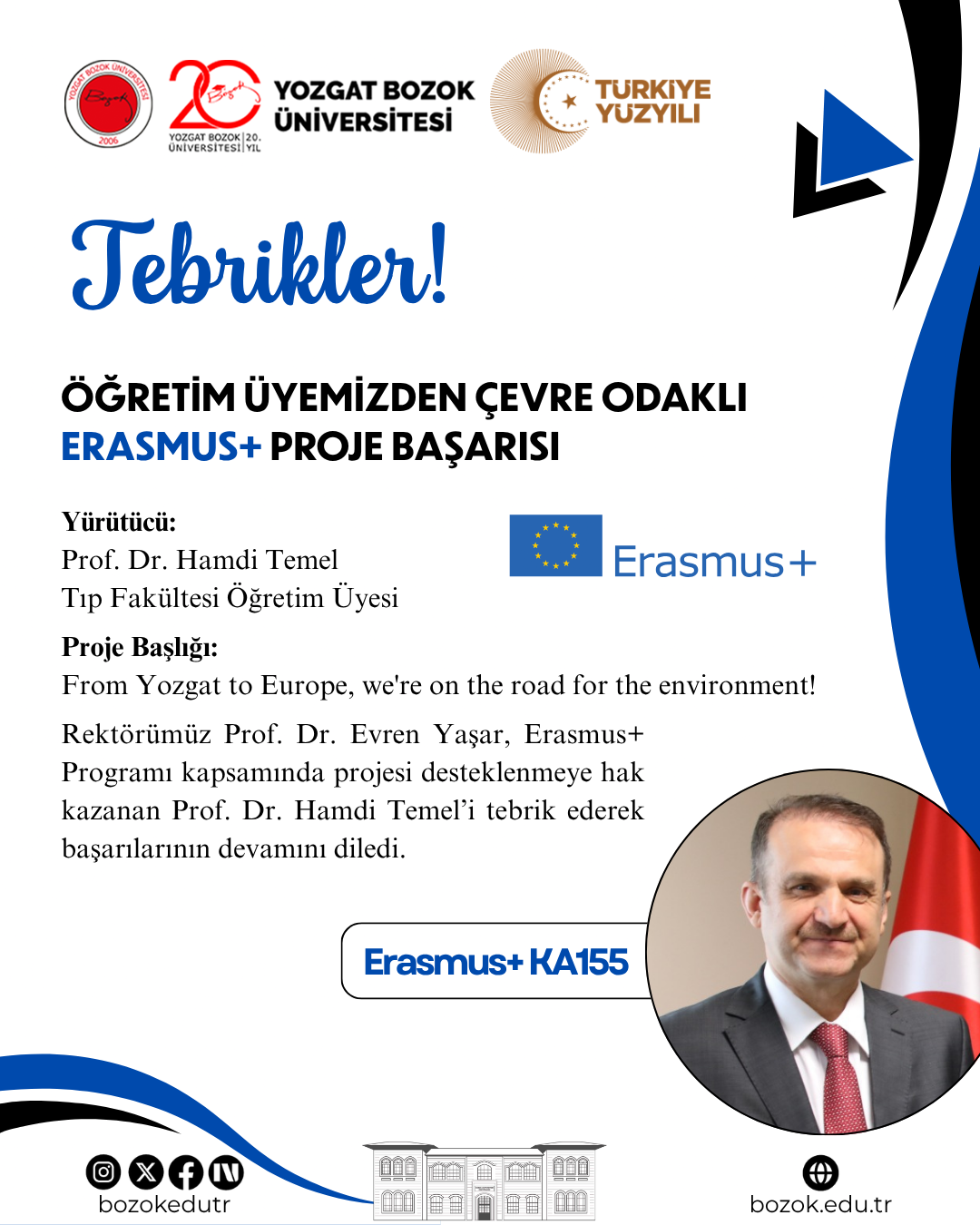
Üniversitemiz Tıp Fakültesi Tıbbi Farmakoloji Anabilim Dalı Başkanı Prof. Dr. Hamdi Temel’in yürütücülüğünü üstlendiği “From Yozgat to Europe, we’re on the road for the environment!” başlıklı proje, Erasmus+ DiscoverEU Dahil Etme Faaliyeti (KA155-YOU) kapsamında 23.676 avro hibe desteği almaya hak kazandı.
Proje ile uluslararası hareketlilik imkânlarına erişimi sınırlı gençlerin Avrupa’yı keşfetmeleri, farklı kültürleri tanımaları ve özellikle çevre, sürdürülebilir ulaşım ve sürdürülebilir yaşam uygulamalarını yerinde gözlemlemeleri hedefleniyor. Proje kapsamında gençler, Avrupa’daki iyi çevre uygulamalarını inceleyerek deneyimlerini ve elde ettikleri kazanımları Yozgat’a taşıyacak.
Rektörümüz Prof. Dr. Evren Yaşar, Erasmus+ Programı kapsamında projesi desteklenmeye hak kazanan Prof. Dr. Hamdi Temel’i tebrik ederek başarılarının devamını diledi.
You may also like

Avrupa’ya Gitmeden Önce: Malatya’da DiscoverEU Eğitimi

🎙️ TRT GAP Radyo’da Kırtasiye Ürünlerini Konuşacağız

Prof. Dr. Hamdi Temel Öğretim Üyemizden Çevre Odaklı Erasmus+ Proje Başarısı

Antibiyotik Direnciyle Savaşta Yeni Cephe: Çevremiz

Bilime Adanmış Bir Hayat; Yozgatlı Prof. Dr. Hamdi Temel

İBN-İ SÎNÂ’DAN BUGÜNÜN BİLİMİNE: DEĞİŞEN ARAÇLAR, DEĞİŞMEYEN AMAÇ

“Sağlık Bilimleri Açısından Salep” Kitabımız Yayımlandı: Gelenekten Bilime Uzanan 20 Bölümlük Bir Bilimsel Eser

Akdağmadeni Salebi: Gelenekten Bilime Uzanan Bir Yolculuk

Sağlık Bilimleri Açısından Salep Sempozyumu

Prof. Dr. Hamdi Temel: “Without Action, We Will Face a Crisis Far Worse Than the Coronavirus Pandemic”

Esma Ocak ve Kazlar Üzerine…
İçim İçime Sığmıyor

Bu sıralar yazmak istemiyorum ustam!

Limon Tuzu: Masum Bir Ekşilik mi, Bilinmesi Gereken Bir Kimya mı?

İnsanlığımızı Geri Getirdin Bize Koronavirüs!
Su gibi aziz ol!

Sosyal medya kullanıcılığı sosyalliğimizi etkiliyor

Plastik kaplamalar ve atıklar ruh halimi de bozuyor!

Yeryüzünde hiçbir plastik atık kalmamalı!

Dicle Üniversitesinde bordan yarı sentetikli el yumuşatıcı krem üretildi
-

 Köşe Yazıları3 ay önce
Yozgat’ın Geleceği Toprağında Saklı: Tıbbi Bitkilerle Kalkınan Bir Şehir Olalım
-
 Haberler1 ay önce
“Sağlık Bilimleri Açısından Salep” Kitabımız Yayımlandı: Gelenekten Bilime Uzanan 20 Bölümlük Bir Bilimsel Eser
-
 Köşe Yazıları2 ay önce
Biz Böyle Bir Yozgat’ta Büyüdük
-
 Köşe Yazıları2 ay önce
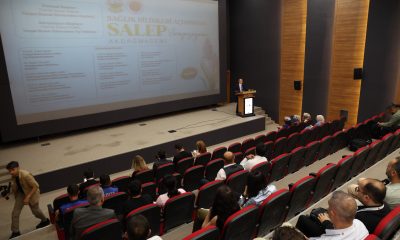
Akdağmadeni Salebi: Gelenekten Bilime Uzanan Bir Yolculuk
-
 Köşe Yazıları3 hafta önce
Antibiyotik Direnciyle Savaşta Yeni Cephe: Çevremiz
-
 Haberler2 ay önce
Prof. Dr. Hamdi Temel: “Without Action, We Will Face a Crisis Far Worse Than the Coronavirus Pandemic”
-
 Köşe Yazıları1 ay önce
İBN-İ SÎNÂ’DAN BUGÜNÜN BİLİMİNE: DEĞİŞEN ARAÇLAR, DEĞİŞMEYEN AMAÇ
-
 Genel2 ay önce
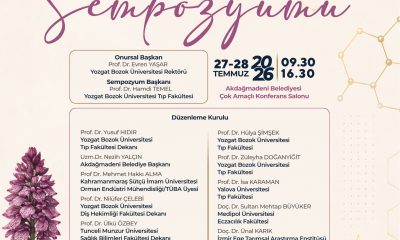
Sağlık Bilimleri Açısından Salep Sempozyumu